
Biomass hot water boilers
Heat your operation with fuel you can get close to home
An SCW hot water boiler burns wood chips, sawmill waste, straw or pellets and sends hot water into the heating loop you already have. 500,000 to 27 million BTU. Here’s how it works, who it fits, what it burns and how we size one.
Our customers typically cut their heating fuel cost about in half.
200+
biomass systems running across North America
25+ years
building biomass heat, formerly BlueFlame Stokers
500,000 to 27M
BTU, 15 standard models
Headingley, MB
built in our shop, serviced from it
ON THIS PAGE: WHAT’S IN A SYSTEM · IS IT RIGHT FOR YOU? · FUEL GUIDE · SIZING AND BUYING · QUESTIONS
What’s in a system
Fuel in. Heat out.
Six steps, all automatic. Photos from a working system in Manitoba.
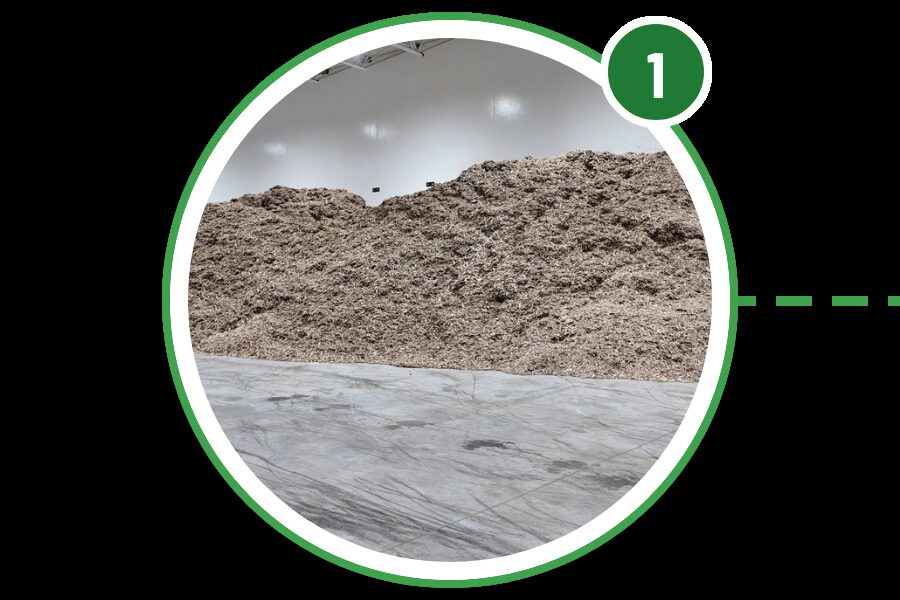
Fuel
Chips or other biomass, delivered and stored dry.
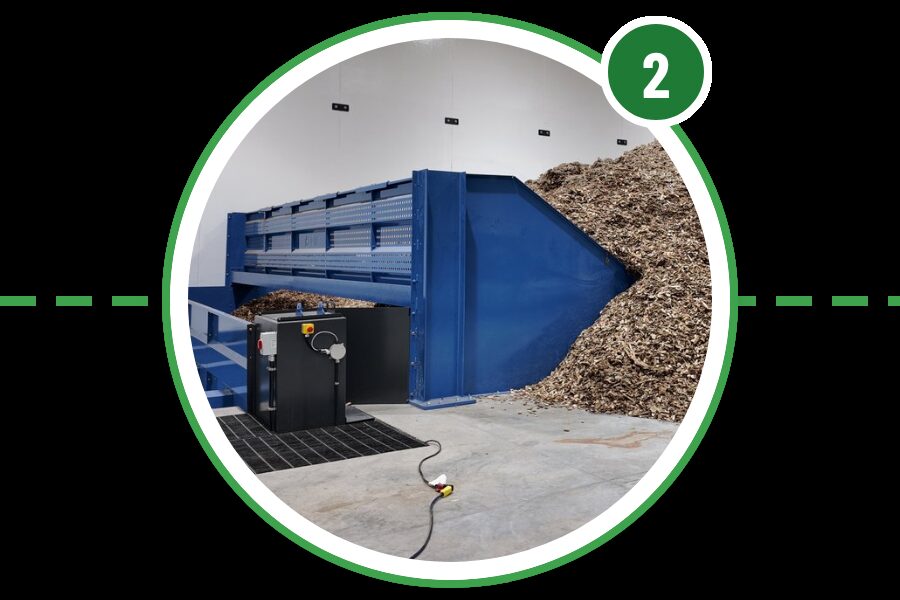
Walking floor
Moves the pile to the augers. No loader.
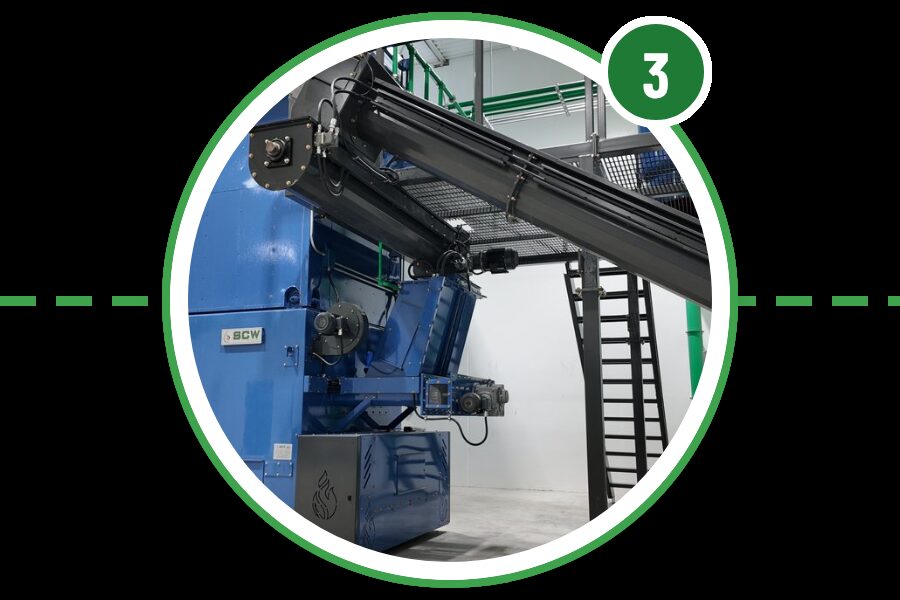
Augers + metering
Feed only what the heat demand calls for.
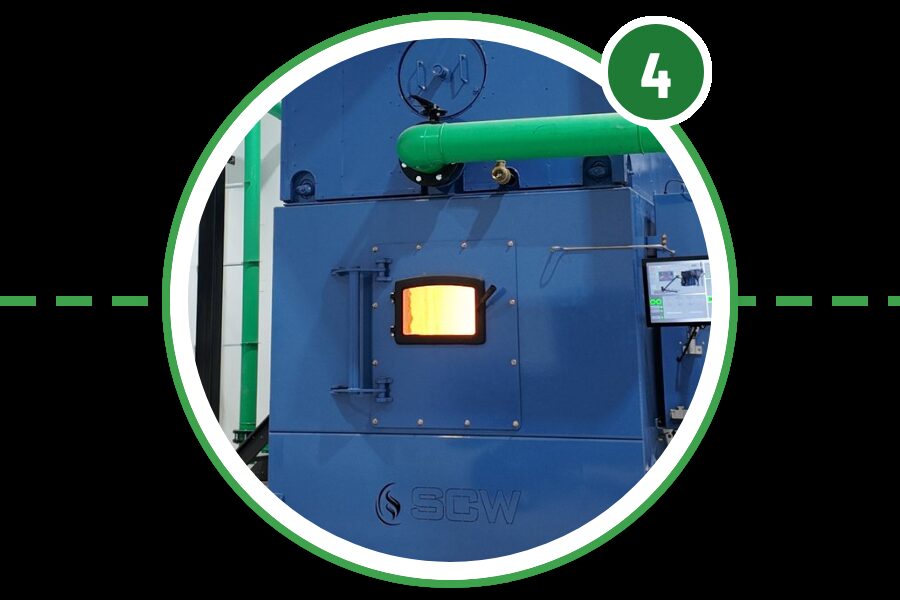
Chain grate
Burns wet or mixed fuel without jamming.
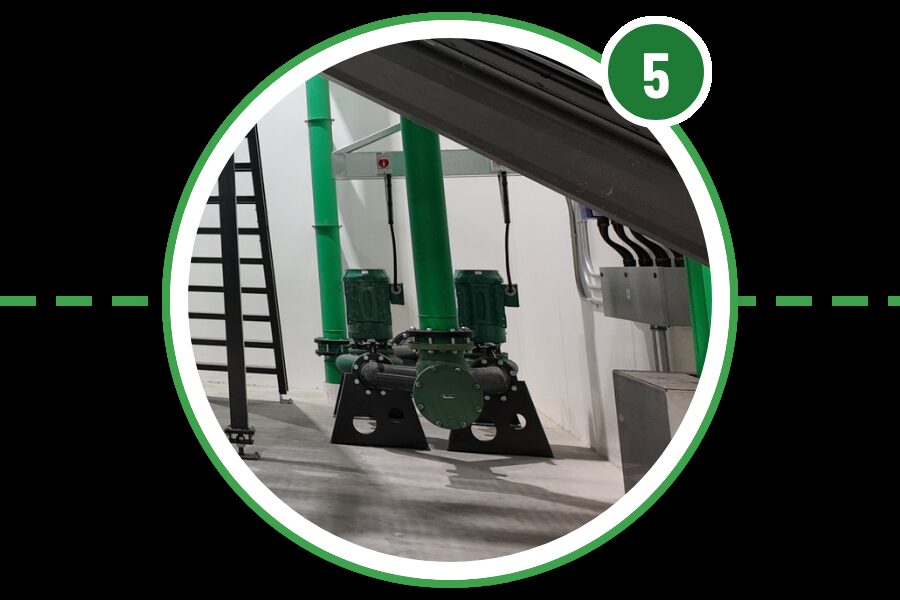
Hot water
Pumps send it into your existing loop.
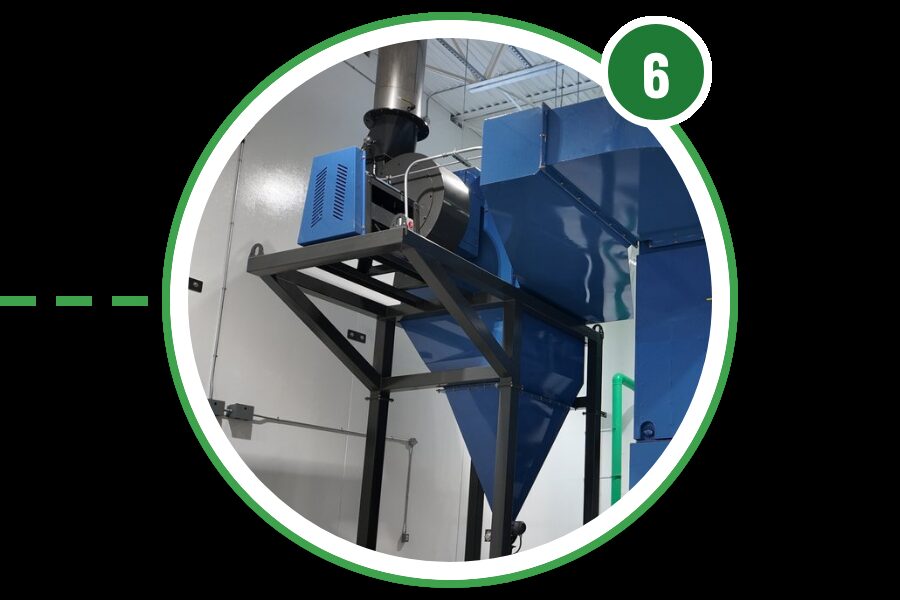
Clean exhaust
A multi-cyclone takes out the fly ash.
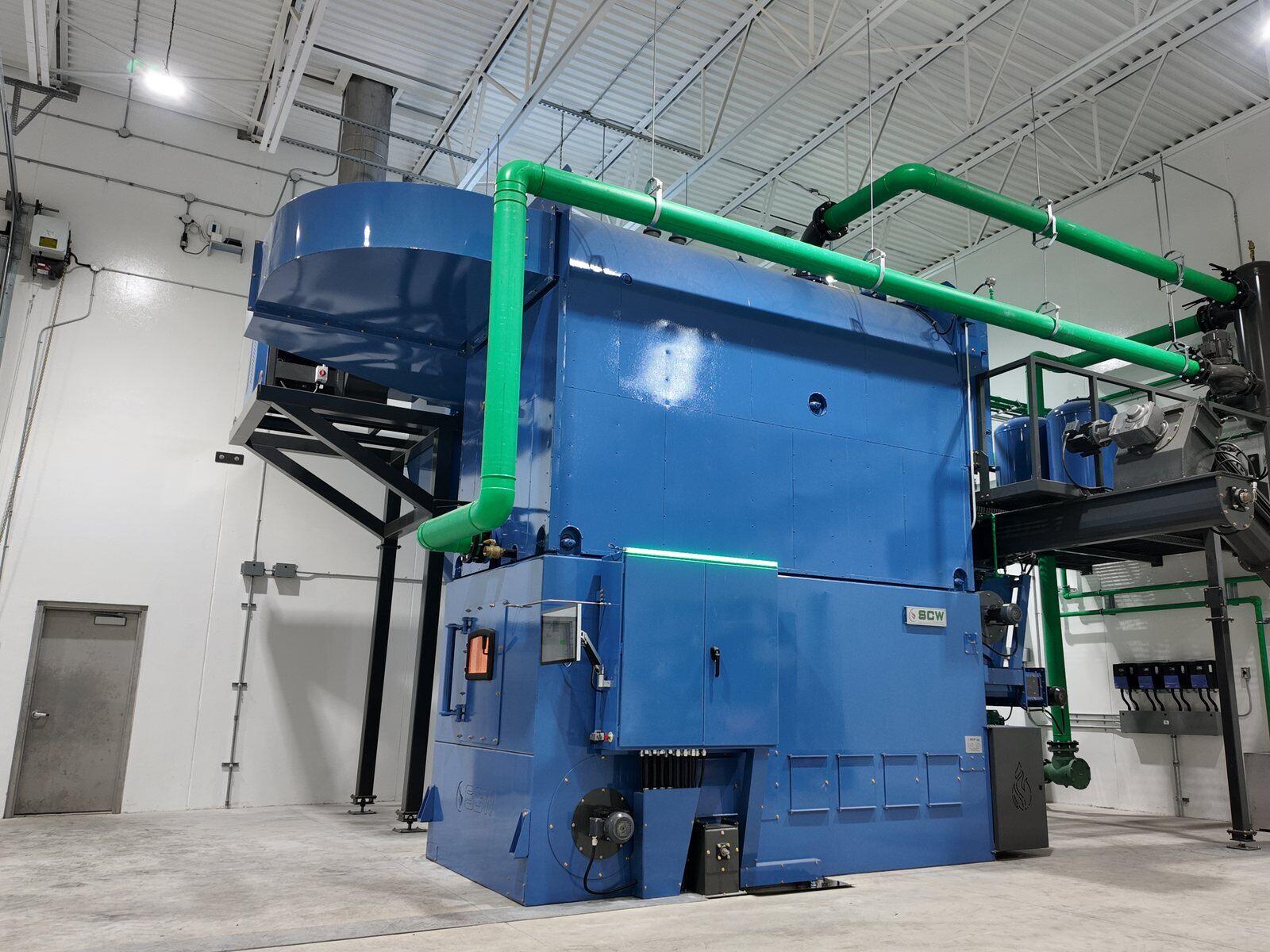
Walk around a real one
Sturgeon Creek Colony, Manitoba. 15 million BTU, wood chips. Here’s what you’re looking at.
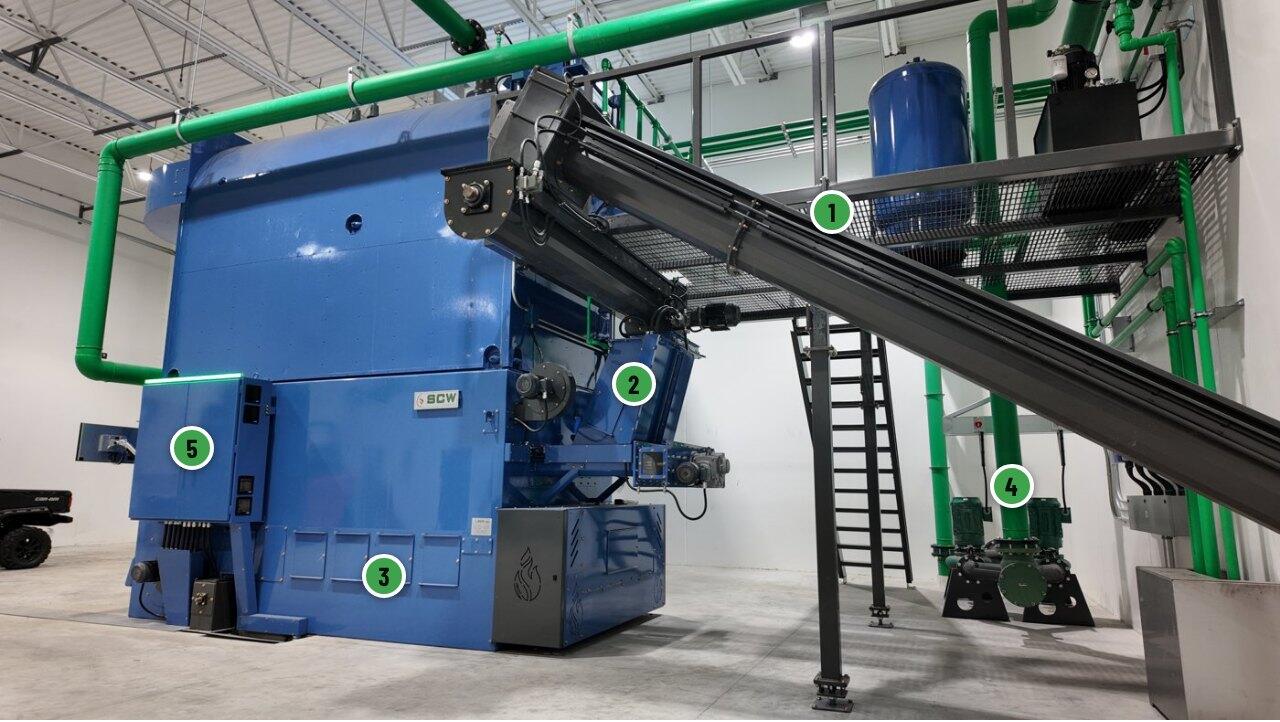
Feed side
1Incline auger2Metering bin3Chain grate stoker4Pumps to your heating loop5Controls
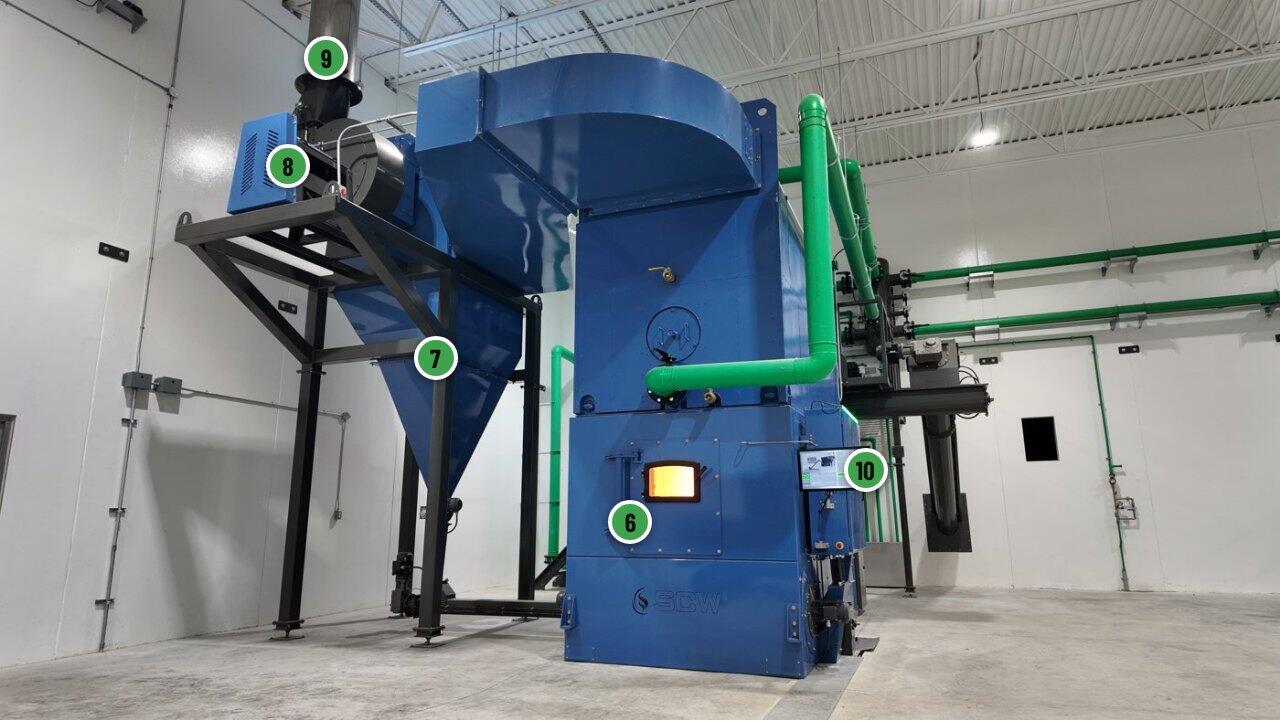
Exhaust side
6Fire window7Multi-cyclone8Exhaust fan9Stack10Touch screen
19 seconds inside the Sturgeon Creek plant: walking floor, augers, the fire on the chain grate, ash out.
A real system, and it’s our own
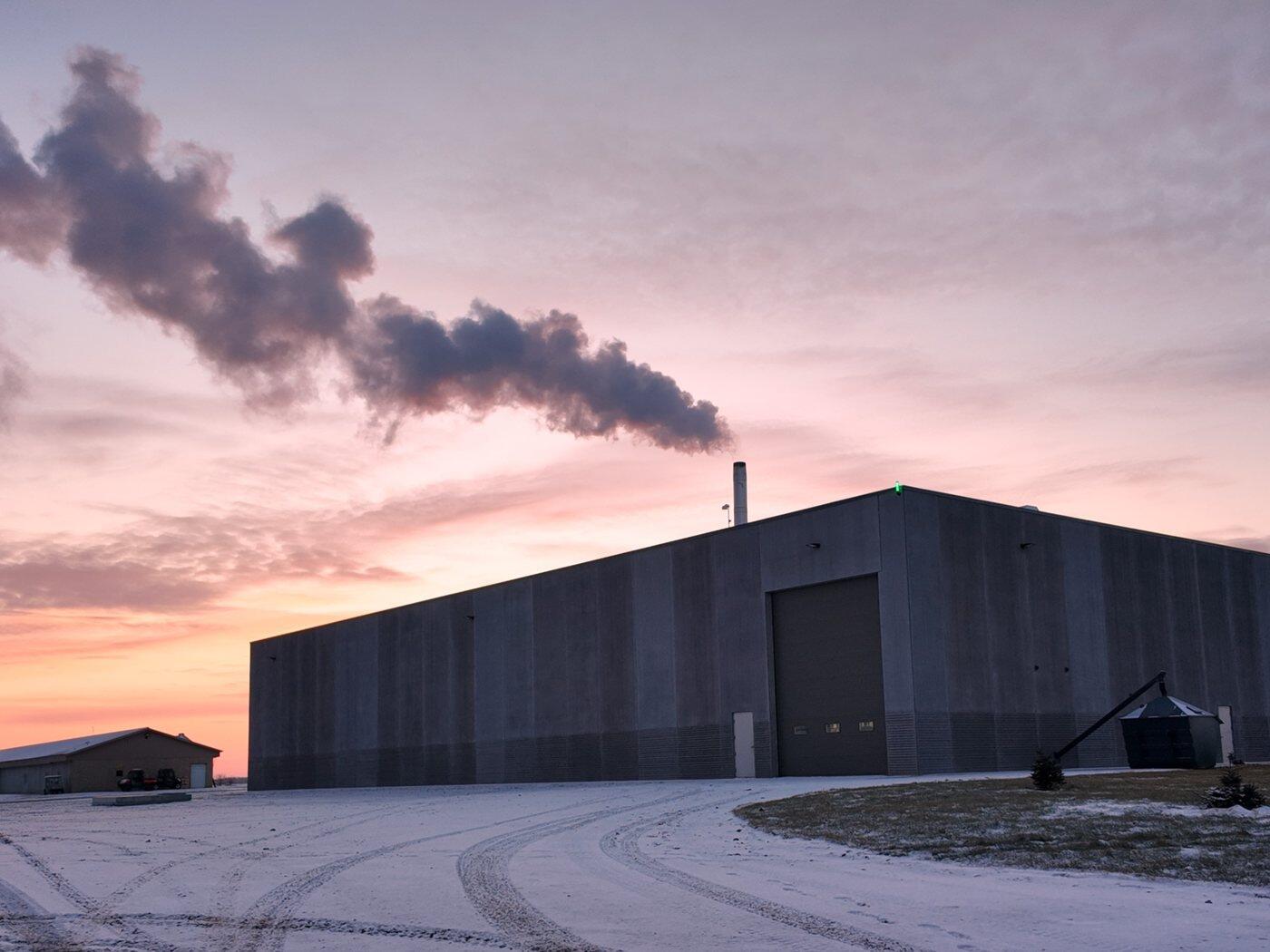
We heat our own colony with one
Sturgeon Creek Colony owns SCW. The same people who build these boilers run this one every day. Even the control program is written in-house by the person who runs it.
| Size | 15 million BTU |
| Fuel | Wood chips |
| Replaced | Natural gas |
| Heating cost | About 50% lower |
| Heats | Hog barns, poultry barns, a greenhouse, shops and homes |
| Fuel handling | Indoor fuel building with a walking floor, laid out for a second boiler |
“The chips go in the fuel building and the system does the rest. We check the screen, take deliveries and empty the ash bin. Our heating bill is about half what we paid for gas.”
Sturgeon Creek Colony, Manitoba
Where they run
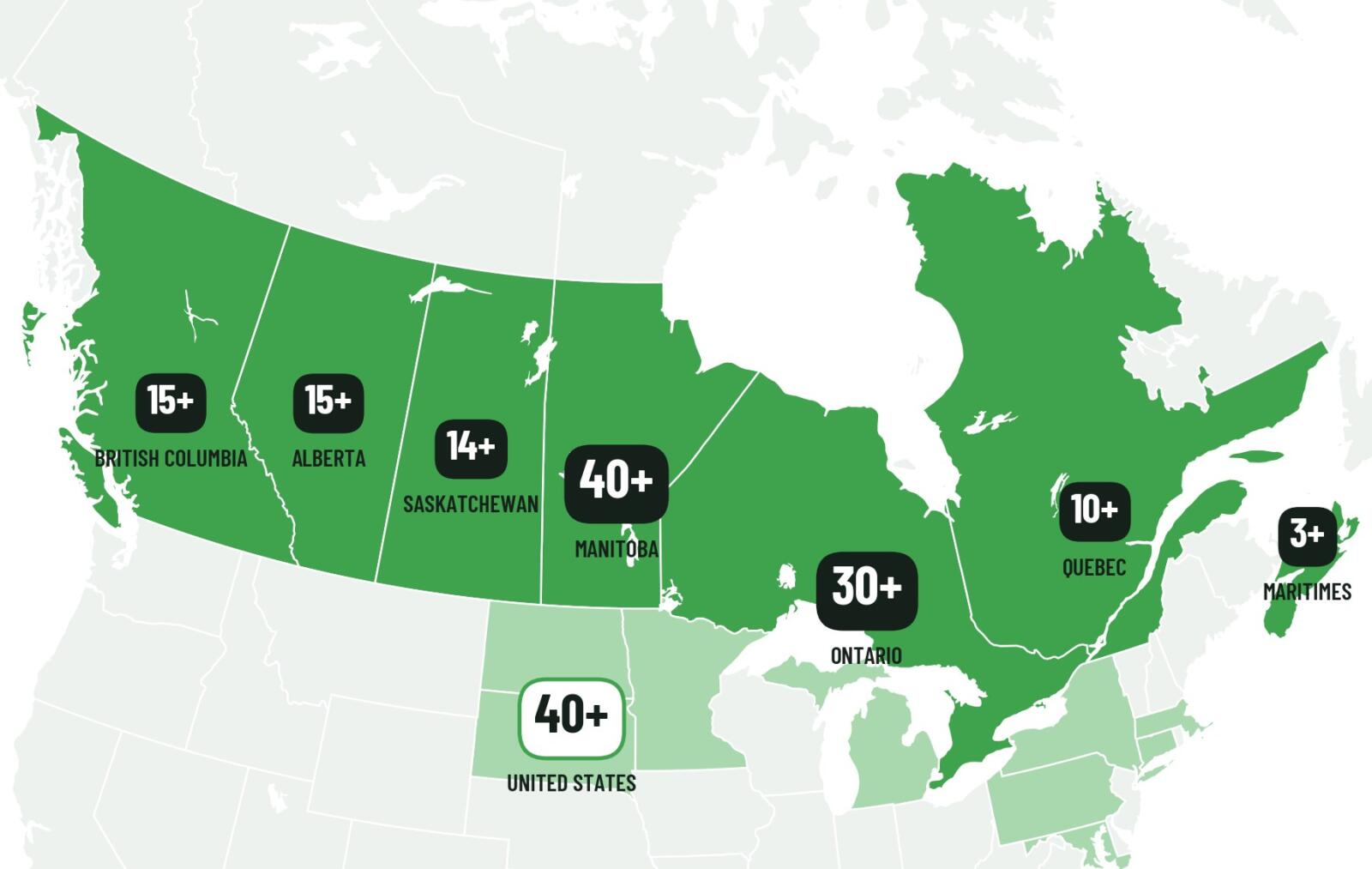
200+ systems running
From British Columbia to the Maritimes, plus more than 40 in the northern US. Farms, colonies, greenhouses, sawmills and more.
Is it right for you?
Who biomass heat fits
Biomass pays back fastest where heat runs long hours and fuel is close by. Here’s an honest checklist.
Usually a good fit
- ✓You heat a lot of hours a year: barns, greenhouses, shops, schools, hospitals, colony yards, grain drying.
- ✓You pay for propane, heating oil or electric heat today, or natural gas in a big volume.
- ✓You can get wood chips, sawmill waste, straw or hulls within a reasonable haul.
- ✓You have room for a boiler room and a place to keep fuel dry.
- ✓Your building already heats with hot water, or can be converted.
- ✓Someone is on site most days to glance at the screen and take fuel deliveries.
Maybe not the best fit
- –Your heating load is small or only for a few weeks a year.
- –Cheap natural gas, a small load, and no grant: the payback can be long.
- –There’s no room for fuel storage and no way to get a truck to it.
- –Nobody is around to take deliveries or empty an ash bin.
Not sure? Send us a year of fuel bills. We’ll tell you straight whether biomass makes sense for you, even if the answer is no.
About half of our systems are sold with a grant or tax credit
Most programs need approval before you order equipment, so ask us early. We’ll tell you which programs fit your province or state.
Fuel guide
What it burns, and what to buy
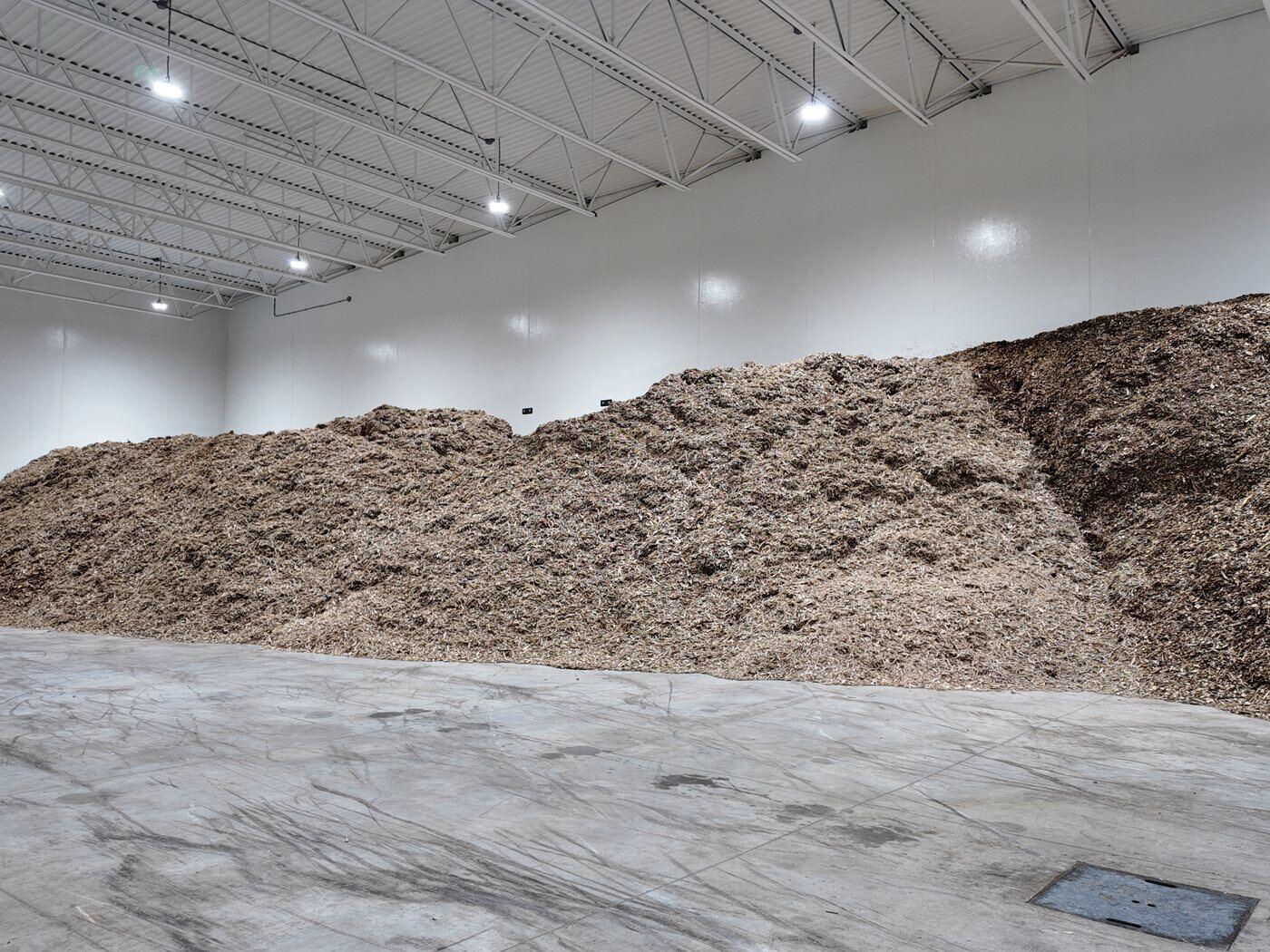
Biomass fuel is sold by the tonne, but you’re really buying heat. Water in the fuel doesn’t burn: it costs you twice, once on the truck and again to boil it off. Our chain grate handles wet and mixed fuel, but the drier the fuel, the more heat you get per tonne.
| Fuel | Moisture | Energy* | Good to know |
|---|---|---|---|
| Wood chips, green | 40–50% | ~8–10 | The most common fuel. Lowest cost per tonne. Keep covered. |
| Wood chips, dried | 20–30% | ~12–14 | More heat per tonne and easier to store. Costs more. |
| Sawdust and shavings | 10–50% | ~9–16 | Often cheap from local mills. Dry shavings burn hot; fine dust needs care. |
| Bark and hog fuel | 40–55% | ~8–9 | Very low cost. More ash, so the ash system works harder. |
| Straw and corn stover | 10–20% | ~13–14 | Your own crop residue. High ash. Needs a bale feeder or grinder. |
| Oat and sunflower hulls | ~10% | ~15–16 | Light and dry. A good fit near a mill. |
| Wood pellets | under 10% | ~16–17 | The most consistent fuel and the easiest to handle. Costs the most. |
* Moisture is % of the delivered weight. Energy is million BTU per metric tonne as delivered. These are typical ranges, not guarantees. A fuel test tells you exactly what you’re buying.
How much fuel will you need?
A rough rule of thumb, using green wood chips at about 10 million BTU per tonne:
1,000 L of propane
about 3 tonnes of chips
1,000 L of heating oil
about 4 tonnes
1,000 m³ of natural gas
about 4 tonnes
10,000 kWh of electric heat
about 4.5 tonnes
Assumes your old system runs at 85–100% efficiency and the biomass system at about 75%. Wood chips take up room: one tonne is roughly 3 to 4 cubic metres loose. We size your storage around how often you can get deliveries.
Sizing and buying
How we size your boiler
We size a boiler from your real heat use, not a guess. Your past fuel bills tell us how much heat you use in a year and how much you need on the coldest day. From there we pick the boiler, the fuel storage and the feed system to match.
What to send us
- ✓12 months of fuel bills (propane, oil, gas or power)
- ✓What you heat: building type, size and how it’s used
- ✓Your current heating system and water temperatures
- ✓What fuel you can get, and roughly what it costs
- ✓Photos of where a boiler room and fuel storage could go
From quote to heat
Quote and layout
We size the system and send a quote with a layout drawing.
Grants
If a grant fits, apply now. Most programs need approval before you order.
Built in Headingley
We build the stoker, firebox and controls in our shop. Usually 1 to 3 months, depending on size.
Delivery and install
Our crew installs it, or your local contractor does with us backing them up.
Start-up and training
We fire it up, tune it to your fuel and show your people how to run it.
Monitoring and service
We can watch it remotely with you, and parts come from our shelf in Headingley.
Sizes and certification
Four size ranges
Up to 2.5M BTU
up to ~75 boiler HP
Shops, schools, single barns, small greenhouses
2.5M – 7.5M BTU
~75 – 225 boiler HP
Hog and poultry barns, colony yards, mid-size greenhouses
7.5M – 15M BTU
~225 – 450 boiler HP
Large greenhouses, hospitals, colonies, plants
15M – 27M BTU
~450 – 800 boiler HP
Sawmills, process plants, district heat
Certified
✓ Certified boiler vessel
Every boiler vessel is fully certified.
✓ Intertek-marked stoker
Our chain grate stoker carries the Intertek mark.
✓ Built to your project’s code
Need a specific approval for your site or province? Tell us at the quote stage and we build to it.
Questions
What people ask us
Something else? Call us at (204) 694-2398. You’ll talk to someone who builds these.
Will it work with the heating system I already have?
How much work is it day to day?
Can it burn more than one kind of fuel?
How long from order to heat?
What about smoke and emission permits?
Are there grants?
What happens after it's installed?
Send us your fuel bills
Twelve months of bills and a few photos is enough for us to size a system, estimate your fuel use and send a quote.
The marks your engineer will ask for.
Need another mark for your project? We build to it.
Talk to a person who knows the system.
Service, parts and remote monitoring come straight from the people who built it.