
Heat and process steam from the waste your plant already makes
Sawdust, bark, shavings and hulls burn on our chain grate stoker. Steam boilers from 50 to 500 BHP. Hot water boilers up to 27 million BTU each. Built in Headingley, Manitoba.
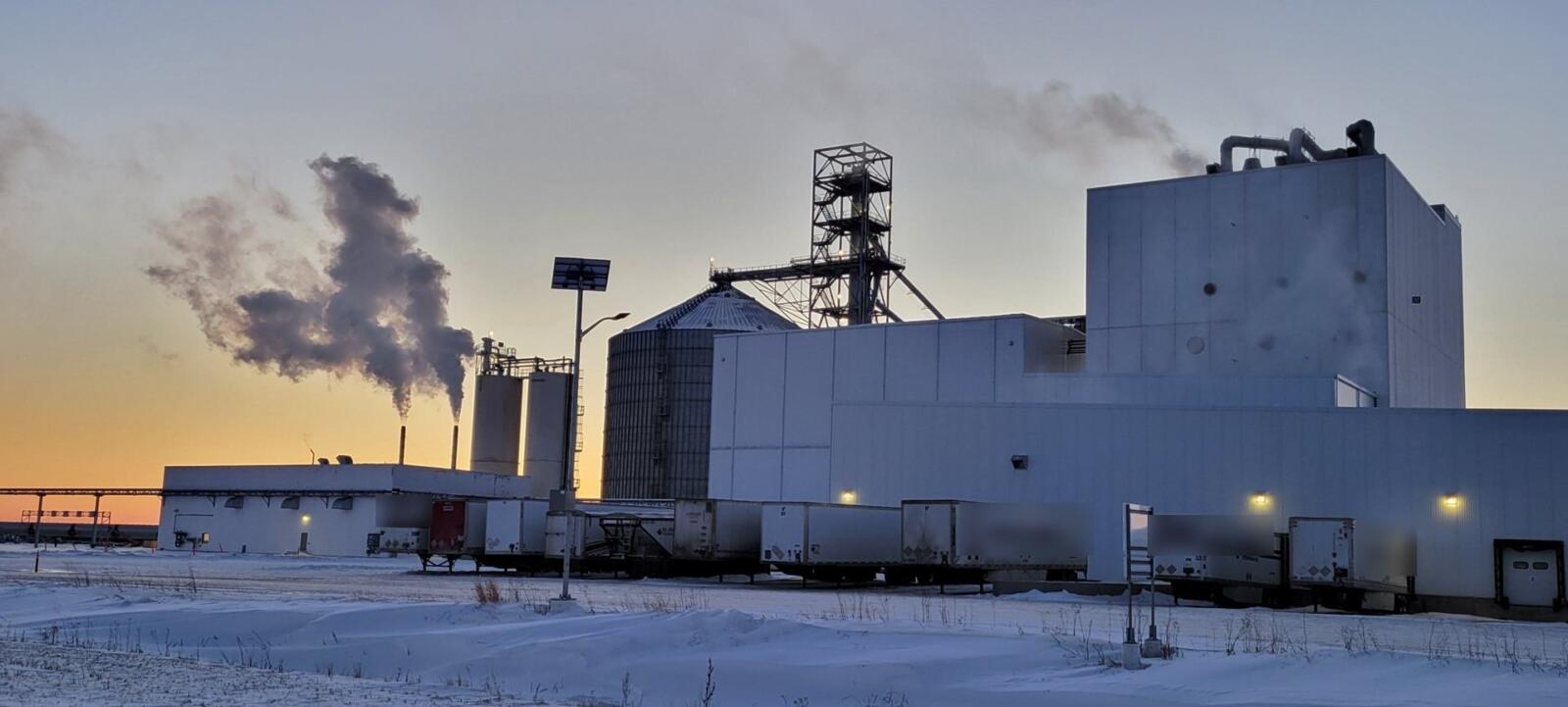
Most mills pay twice. Once to haul the waste out, once for gas.
Your waste already has heat in it. Burn it on site and both bills shrink. The gas boiler stays in place as backup.
Today
Sawdust, bark or hulls piling up, then a bill to haul them away or a buyer who pays next to nothing.
A monthly bill for the heat and steam the plant runs on, at whatever the price is that year.
With an SCW system
Augers or a walking floor carry it from your pile or bins to the stoker. It becomes the plant's heat and steam.
Most plants keep the old boiler connected. It covers a shutdown or a peak, and the gas bill drops to what's left.
Does your own waste cover your heat?
Put in the waste you make each week and what you burn now. You'll see how much of your heat the waste could carry, and what's left over or short. Rough numbers, good enough to know if a call is worth it.
1. The waste you make
Tonnes a week of each. Leave the rest at 0. Wet waste has less heat in it, so set the moisture if you know it.
2. What you burn now
Add up a year of bills. Twelve months is better than one.
Optional: put a dollar figure on it
Estimates. Waste is burned evenly over 168 hours a week at about 75% boiler efficiency. Your fuel bill is turned into heat with our rules of thumb: 1,000 m³ of natural gas or 1,000 L of oil does about what 4 tonnes of green chips do; 1,000 L of propane about what 3 tonnes do. A semi load is about 30 tonnes. Boilers are sized to your peak, not your average. Send us your bills and a sample and we'll give you real numbers.
From your waste pile to your steam header
This is how our plant systems are laid out. Pick how you store your waste and what you need out of it. Tap any part to see what it does.
Swipe sideways to see the whole plant.
The same screen at the boiler and on your phone
We build the controls in house, so we know every wire. Your operator sees fan speeds, fuel screw speed, flue oxygen and heat out at a glance.
- Alarms come to your phone by text
- With your OK, we can log in and look from Headingley
- Parts on the shelf in Headingley, and on-site service when you need it
Which one does your plant need?
Answer what you can. The answer updates as you go.
Two plants that burn their own waste
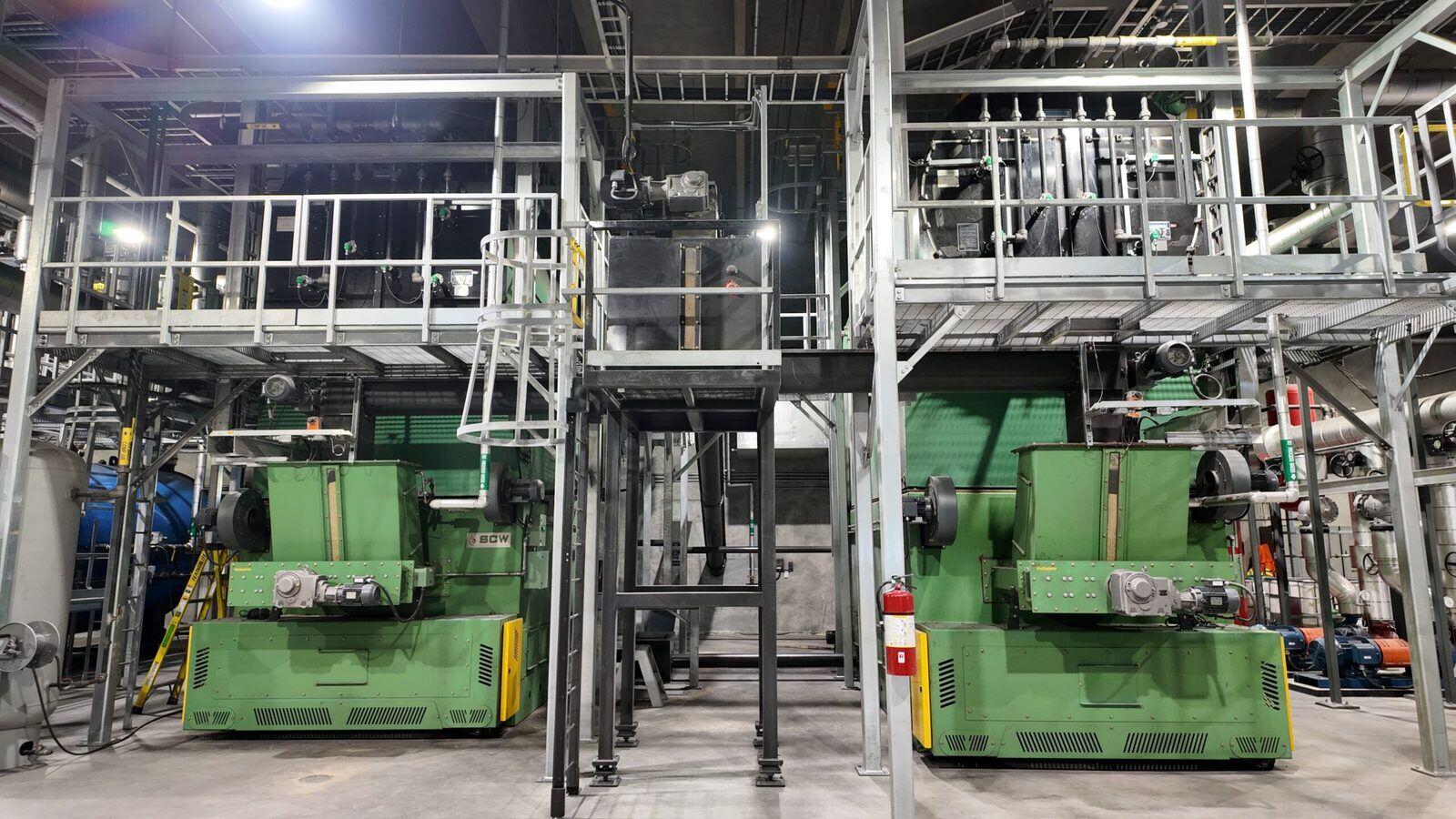
High-pressure process steam from the plant's own oat hulls
The hulls used to leave the plant. Now they go from the mill into two bins. We built the screw feed under the bins that meters the hulls out, and augers carry them to two SCW stokers. The plant's process steam comes from its own waste, and natural gas is the backup.
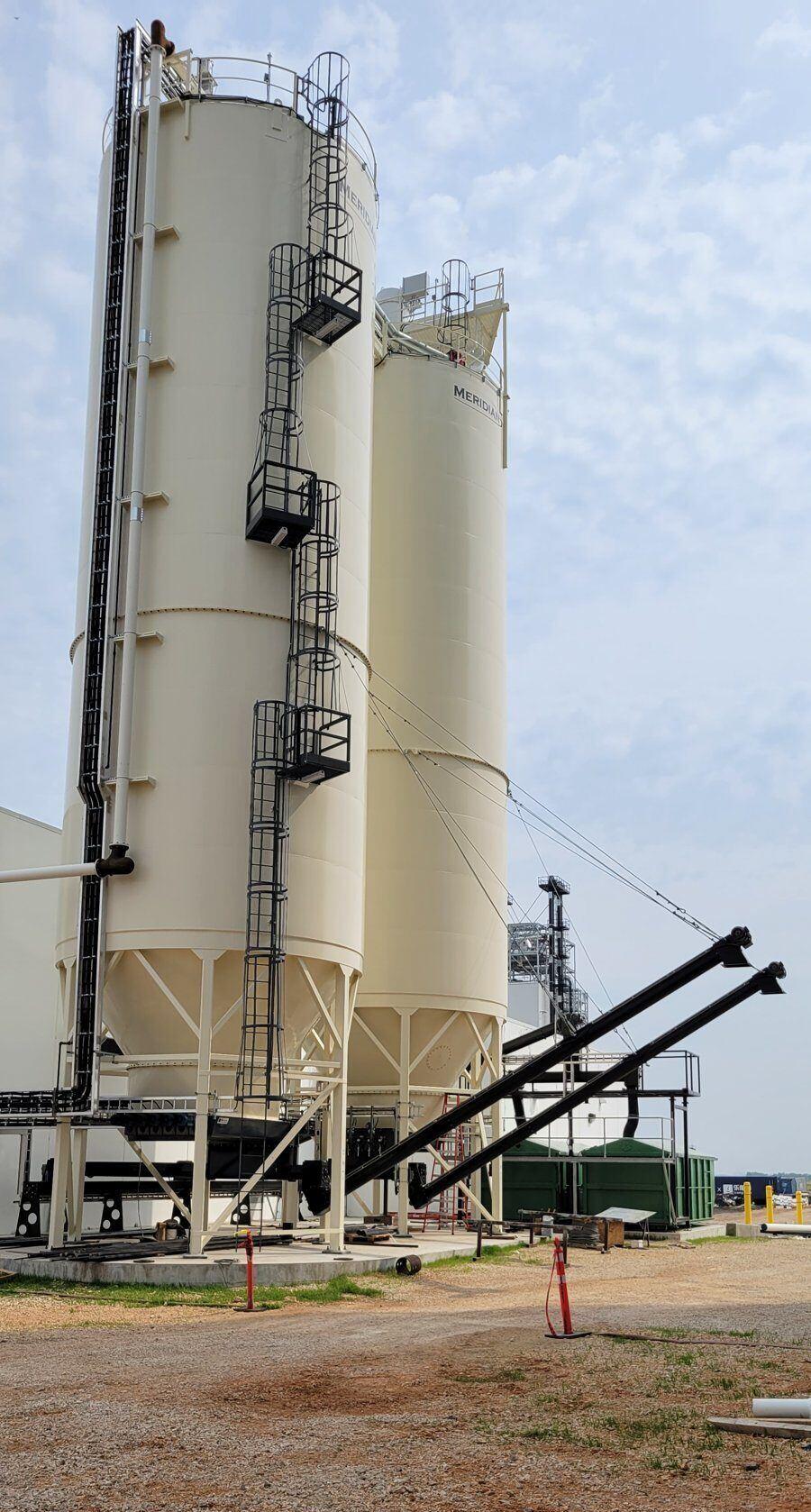
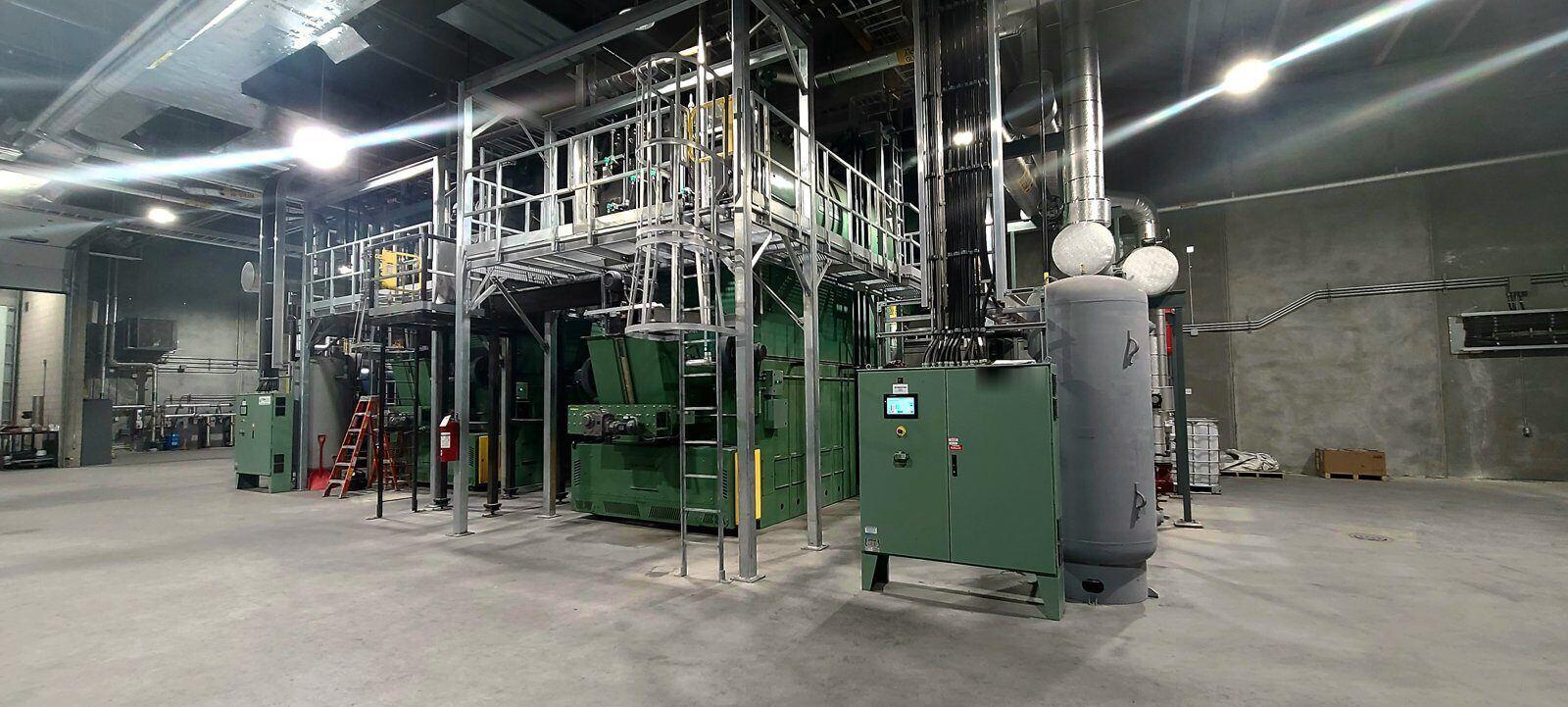
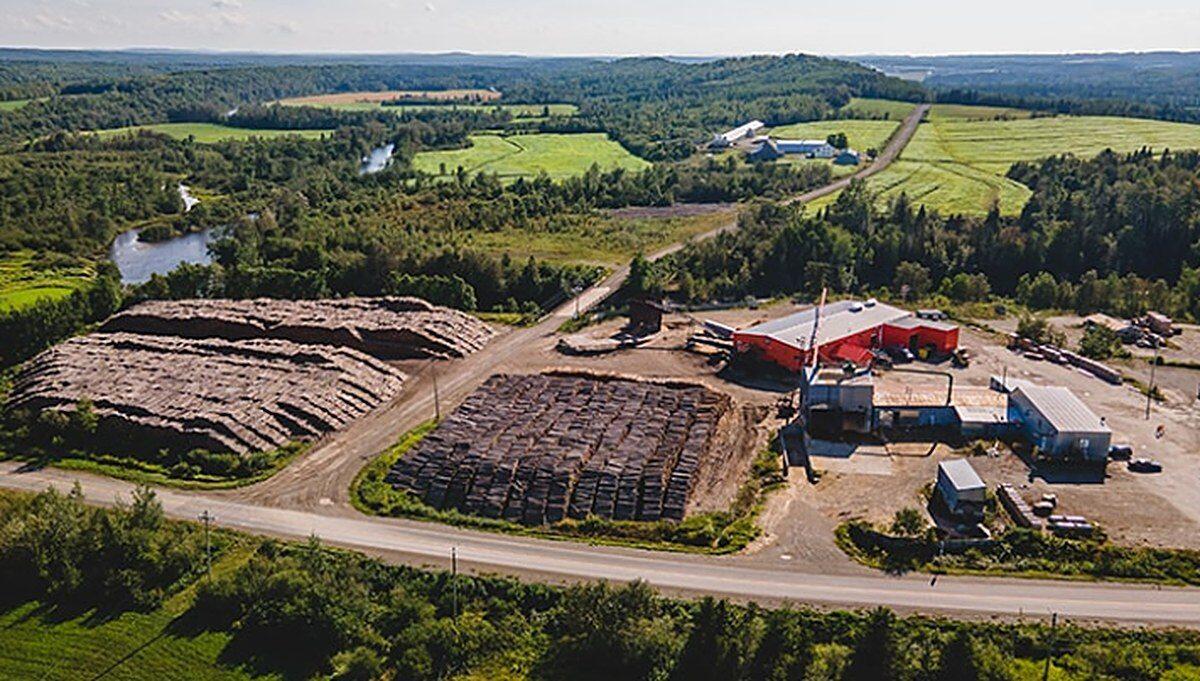
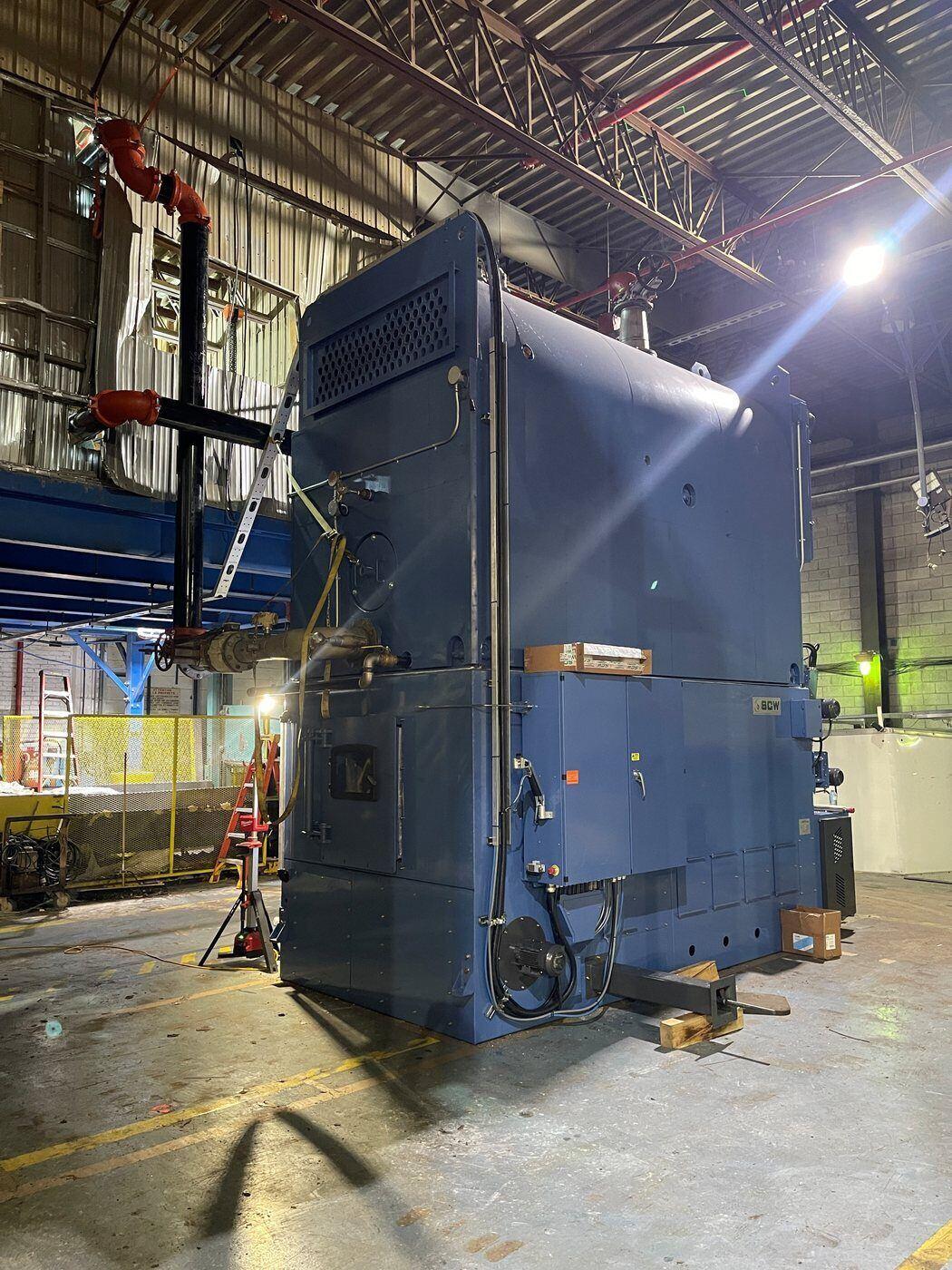
Mill waste heats the mill
A 10 million BTU SCW hot water system burns the mill's own sawmill waste and heats the mill buildings. Installed in 2026. We'll publish the savings after its first full winter.
"We have a lot of wood waste. Now it heats our buildings instead of sitting in a pile."Lebel Sawmill, Quebec
Usually a good fit
- You make sawdust, bark, shavings, hulls or chips every week
- You need heat or steam most of the year
- A big natural gas or propane bill
- Room for fuel storage and augers to a boiler house
- People on site every day
Talk to us first
- Your waste comes only now and then
- Waste with paint, glue, treatment or plastic in it
- Heat needed only a few weeks a year
- No room for a boiler house or fuel storage
Not sure? Send a year of bills and a bag of your waste. We'll tell you straight, even if the answer is no.
What your waste is worth, and what we look for in a sample
Pick your waste. These are typical numbers. Your moisture and mix change them, which is why we ask for a sample.
How to send us a sample
- Grab from several spotsTop, middle and bottom of the pile or bin, so it looks like a normal day.
- Seal it right awayA heavy plastic bag or a pail with a lid. Open air dries it and throws off the moisture number.
- About a pail fullEnough for us to see the size, the fines and any strings or junk.
- Label itWhat it is, where in the mill it comes from, and the date you took it.
What to send us, and what you get back
Fill in what you know. It picks up your numbers from the calculator above. Copy it and paste it into the quote form, or have it ready when you call (204) 694-2398.
Also send
- A year of gas, propane or oil bills
- A bag or pail of your waste
- A site plan or aerial photo showing where fuel and a boiler house could go
- The make and size of your kilns, if you have them
What you get back
- What your waste is worth as heat or steam
- Steam or hot water, and the boiler size that fits your peak
- A fuel handling setup for how your waste is stored and how it flows
- What your site will likely need for permits and certification
- A straight answer on whether biomass makes sense for your plant
About half our systems are sold with a grant or tax credit
Most grant programs need approval before you order. Rules change, so check before you apply.
Before you call
Can it burn our waste as it comes?
Most sawmill waste and hulls, yes. The chain grate stoker handles wet, dirty and mixed fuel without jamming, and the ash leaves on its own. Send us a sample and we'll tell you if anything needs screening or hogging first.
What if our waste runs short?
Top it up with bought wood chips. The chain grate burns a mix, so you can blend chips with your own waste. The gas boiler stays as backup for a shutdown.
How does it follow our load?
The fuel screw speeds up or slows down to match what the plant is using, and the fans follow. The controls hold your steam pressure or water temperature. The system modulates with the load.
Do we need a licensed operator for steam?
It depends on the boiler size, the pressure and your province or state. We tell you at quote what your site will need.
What about emissions and permits?
A multi-cyclone catches fly ash before the stack. Permit rules depend on where you are and what you burn. Clean wood waste and hulls are the easy case. Glued, painted or treated waste, or poultry litter, usually needs an air permit. We tell you at quote.
Who runs it day to day?
Your own people. Check the screen and keep fuel coming. The ash bin only needs emptying when the system says it's full. Alarms come by text, and with your OK we can look at it from Headingley.
What happens if the power goes out?
The fans and fuel feed stop and the fire burns down in the firebox. The boiler's safeties take care of the heat that's left. A backup generator for pumps and controls is a good idea. When the power comes back, the system starts up again.
Is it certified?
The boiler is fully certified and the stoker carries the Intertek mark. If your project needs a specific certification, we can meet it.
How long from order to heat?
About 1 to 3 months, depending on size. Install is by our crew or your contractor with our support.
The marks your engineer will ask for.
Need another mark for your project? We build to it.
Talk to a person who knows the system.
Service, parts and remote monitoring come straight from the people who built it.