
Biomass heat for schools, hospitals and public buildings
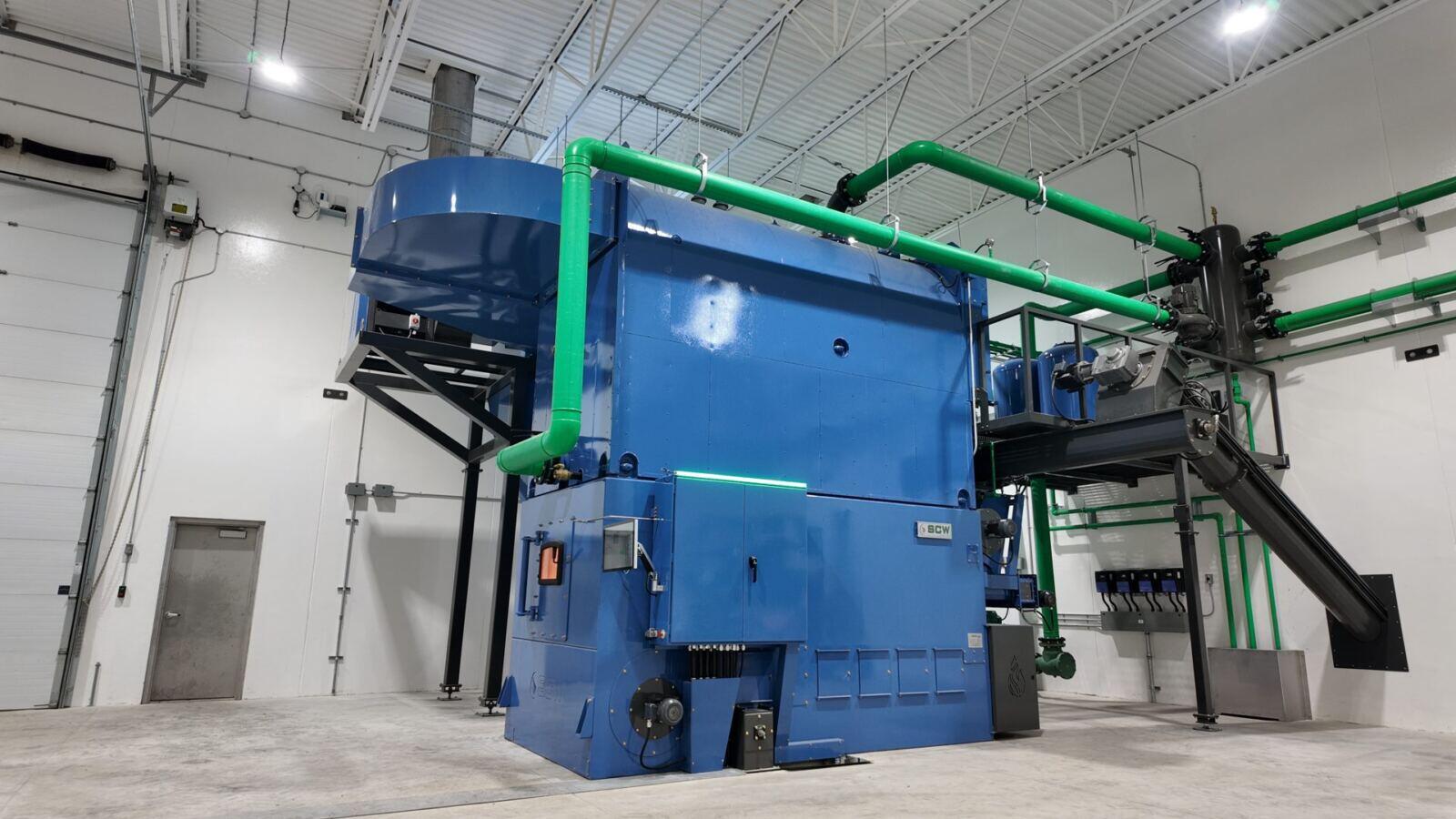
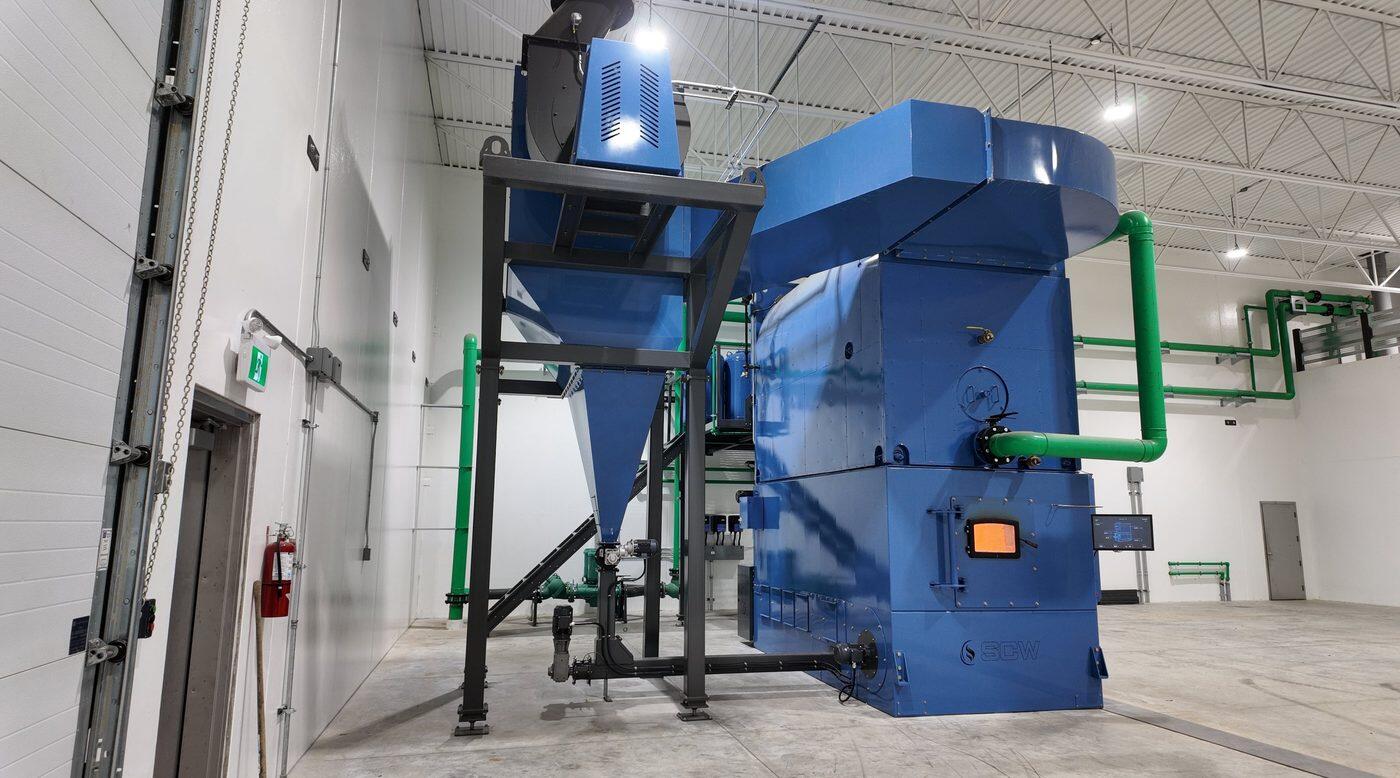
A certified SCW wood chip boiler carries the heat. Your gas boiler stays in place as backup. Your staff run it from a touch screen, and with your OK we can see it from our shop in Headingley, Manitoba.
How much of the year can biomass carry?
Most cold hours of the year are not the coldest hour. Pick your type of building and slide the biomass boiler size. The green area is heat from wood chips. The blue sliver is what your gas boiler would still make.
Estimate Built from a typical southern Manitoba year, not your building. Your engineer runs the real numbers from your bills and load data.
What runs when
The biomass boiler leads. The gas boiler you already have stays on the same piping, ready. Pick a day and see what's running.
Swipe the drawing sideways to see it all.
Drawing simplified. How the new boiler ties into your existing piping depends on the building; your engineer and our team set that up together.
What your staff actually do
The fuel building feeds the boiler on its own, and the chain grate moves ash out on its own. Your staff keep an eye on it and handle the fuel and ash.
- Every dayCheck the touch screen in the boiler room, or the same screen on a phone.Water temperatures, fire rate, fans and feed, all on one screen.
- If something's offThe system sends a text alarm.With your OK, we log in from Headingley and help sort it out.
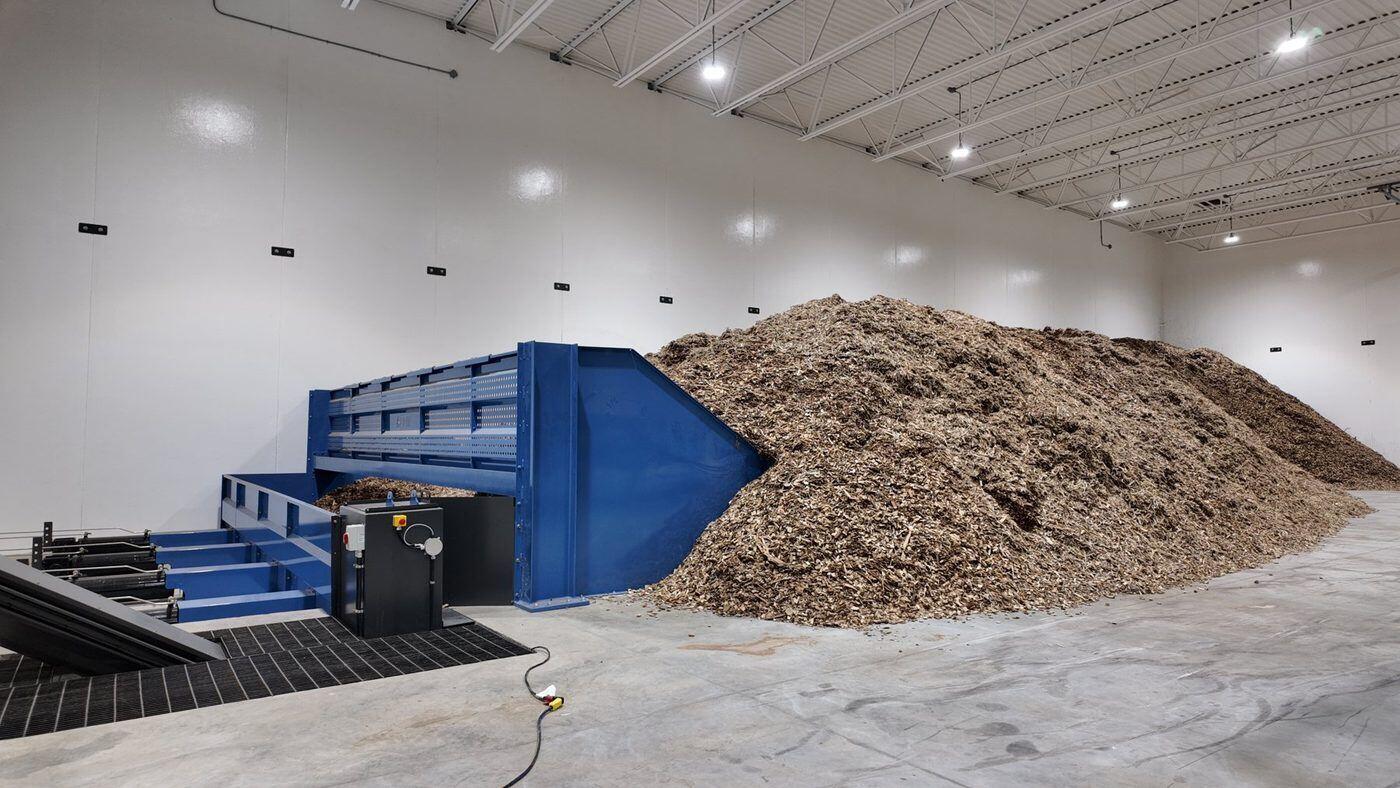
- DeliveriesA truck unloads chips into the fuel building.The walking floor moves them to the boiler feed. At our own colony, with a four-wing walking floor, a load comes in every day.
- The ash binNot a daily job. Ash leaves the grate on its own and collects in a bin.The system sends a text when the bin is 80% full. At our colony that is about every 3 months at 30% firing.
- Start-upWe tune the system and train your staff on site.Parts are on our shelf in Headingley, and we come on site when it's needed.
The SCW control screen. Your staff see the same screen on a phone.
The chips go in the fuel building and the system does the rest. We check the screen, take deliveries and empty the ash bin. Our heating bill is about half what we paid for gas.Sturgeon Creek Colony, Manitoba. 15 million BTU, wood chips. SCC owns SCW, so read it as our own system at work.
Budget check: your bills, your prices
Put in last year's fuel from your bills. Add your own prices to see dollars. We don't publish equipment prices, and nothing here is sent anywhere. Copy the summary into your board report if it helps.
Starts at the number from the chart above. Move it if your engineer has a better one.
Your prices (optional)Rules of thumb we use: 1,000 m³ natural gas is about 4 t of green wood chips, 1,000 L propane about 3 t, 1,000 L oil about 4 t. A semi load is about 30 t.
Fuel only. It doesn't include the boiler, fuel building, piping, install or staff time. SCW customers who switched report heating bills about half what they paid before. For a full report with payback, try our savings calculator.
Where it goes on your site
A wood chip system needs three things: a place for the boiler, a covered place for the fuel, and room for a truck to back in and unload. The boiler can go in a boiler house beside your building or in your existing mechanical room, if there's room and a way to get fuel to it. Either works.
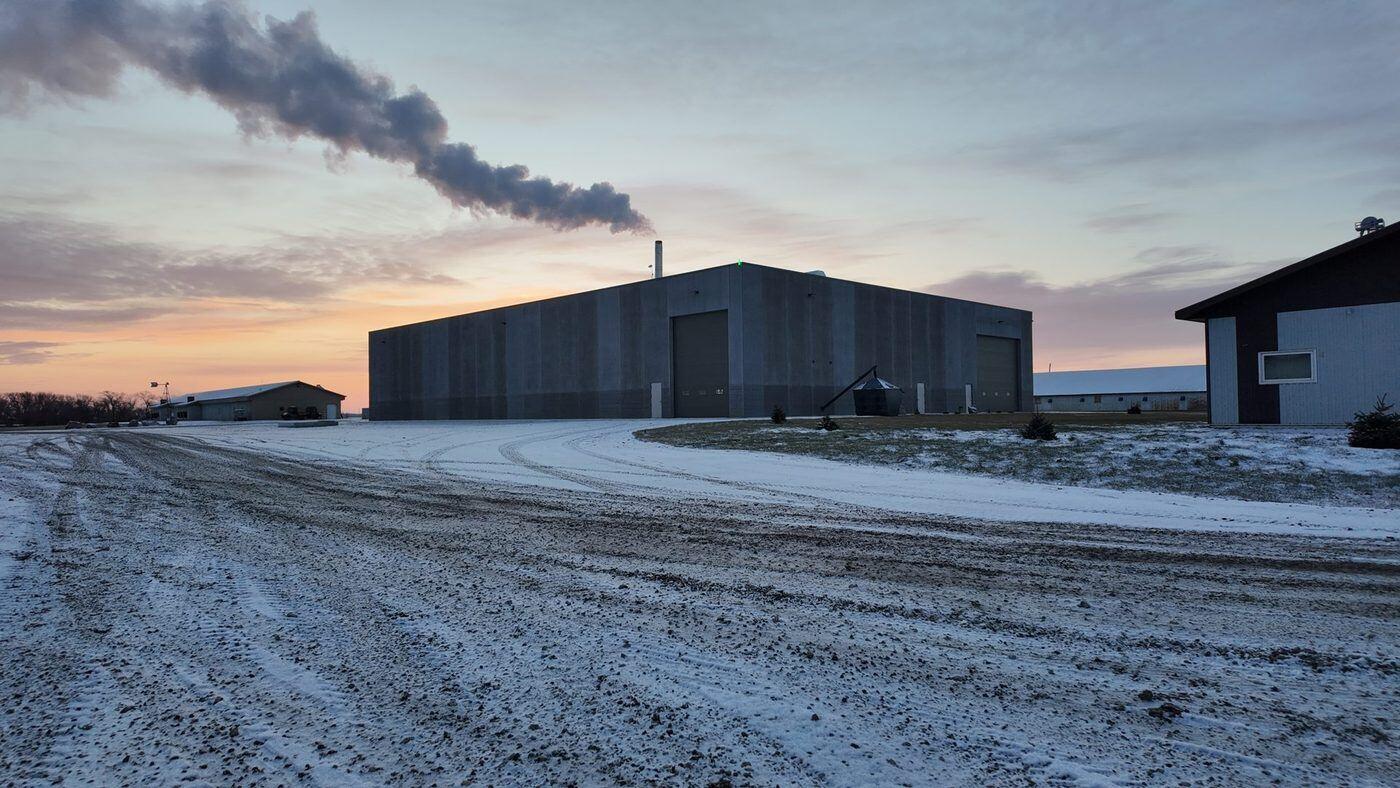
A boiler house beside your building
Boiler and fuel under one roof, away from classrooms and patient rooms. Heat goes over in buried insulated pipe and ties into your mechanical room.
- Fuel trucks stay off the main drive and drop-off
- Room to add a second boiler later
- One pipe run can serve several buildings on a campus
Shown: the boiler house at Sturgeon Creek Colony, MB. SCC owns SCW.
One plant for several buildings
A school division yard, a hospital with a care home next door, or a town's arena, office and shop. One boiler house, one fuel pile, a buried loop to each building.
- Each building keeps its own boiler as backup
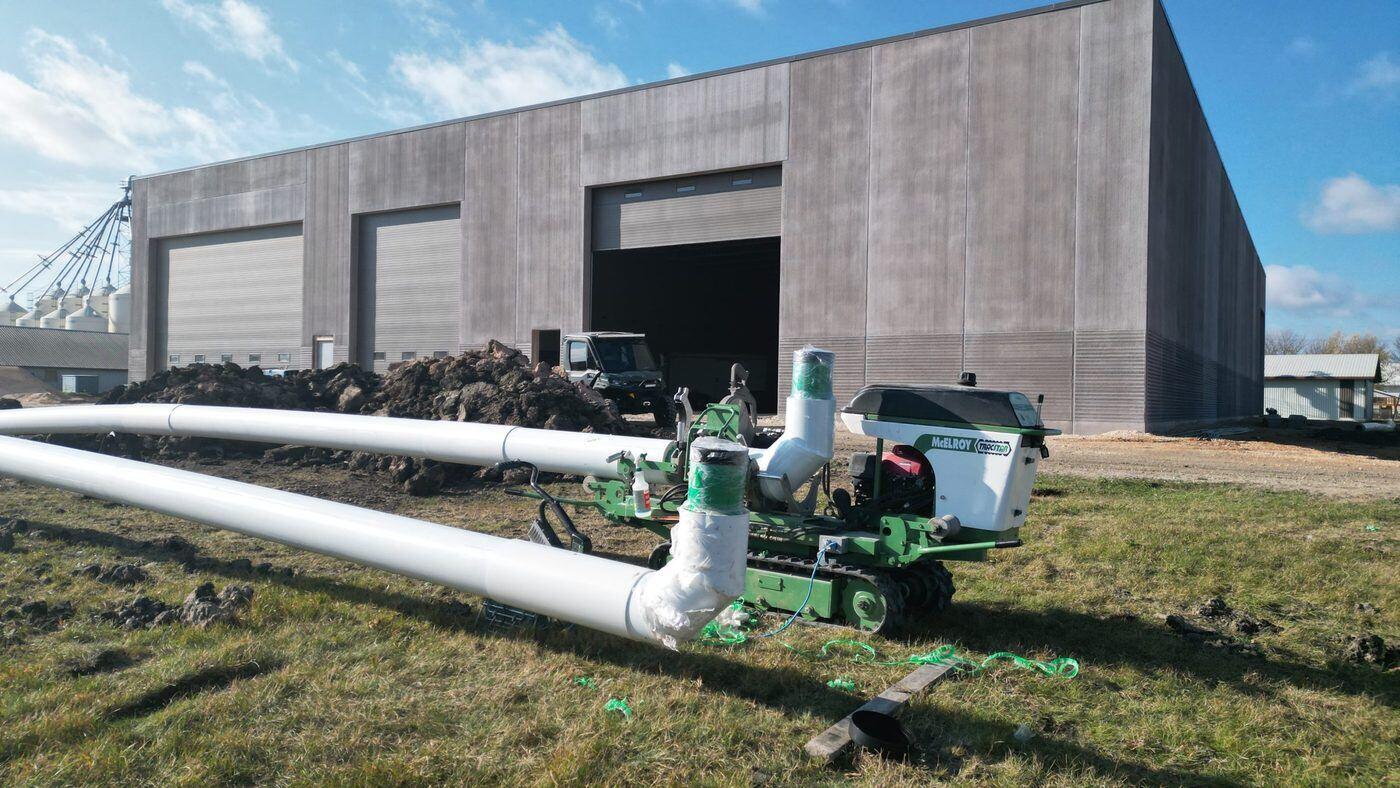
- Loop pipe: Aquaplus PP-R, which SCW stocks in Headingley, just west of Winnipeg
- Fewer stacks, fewer delivery points
Shown: the 8" pre-insulated main going in at Sturgeon Creek Colony. About Aquaplus pipe
How many days of fuel?
More storage means fewer trucks on your site in January. Set the boiler size and how much the fuel building holds.
Estimate Green chips, about 10 million BTU a tonne as delivered, about 7 million BTU of useful heat after boiler losses (from our rule of thumb: 1,000 m³ gas is about 4 t chips). January average uses the same Manitoba year as the chart above. Wetter or drier chips change the answer.
How a public building job goes
Public jobs have more steps than a farm job: studies, funding, board votes and tenders. Here is the order, who does what, and where the time goes.
What your engineer will ask
The short version. Send us your questions and your spec, and we'll answer them in writing.
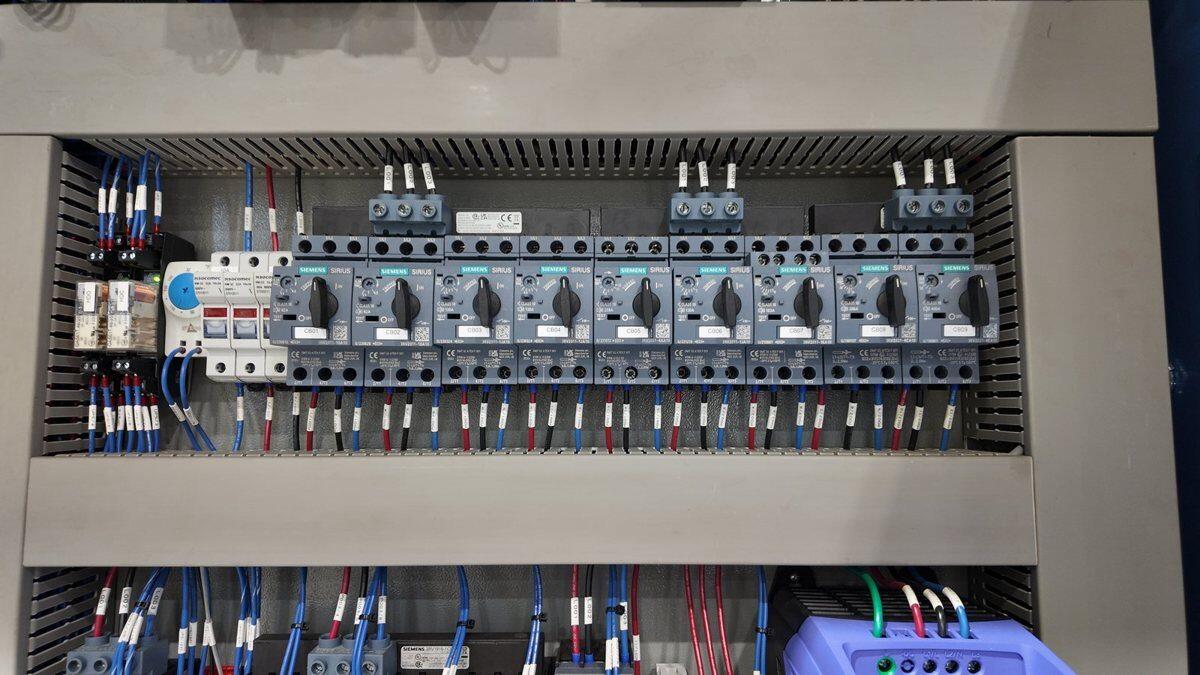
Things to settle with us early
- Design load, and supply and return temperatures
- How the new boiler ties into the existing header, and the lead/lag sequence with your current boilers
- Whether a buffer tank is wanted
- Who carries summer hot water and low loads
- Fuel spec and local chip supply
- Stack height and air permit for your site
- What paperwork your spec needs from us
More on the equipment: hot water boilers, steam boilers, how it works, fuel handling, fly ash removal.
When biomass makes sense for a public building
Usually a good fit
- A big yearly natural gas, propane or oil bill
- Heat needed all winter, day and night, like a hospital or care home
- Several buildings close together, like a campus or a town's public buildings
- Room for a boiler house and a fuel building with truck access
- A steady chip supply nearby
- Staff on site every day
Maybe not
- One small building with a small fuel bill
- No room for fuel storage or a truck to back in
- No steady fuel supply nearby
- Nobody on site to check the screen and take deliveries
Send us a year of fuel bills and we'll tell you straight.
Two Manitoba systems we can show you the numbers on
Schools and hospitals are part of our 200+ systems. These two sites run the same boilers, fuel buildings and controls a public building would get.
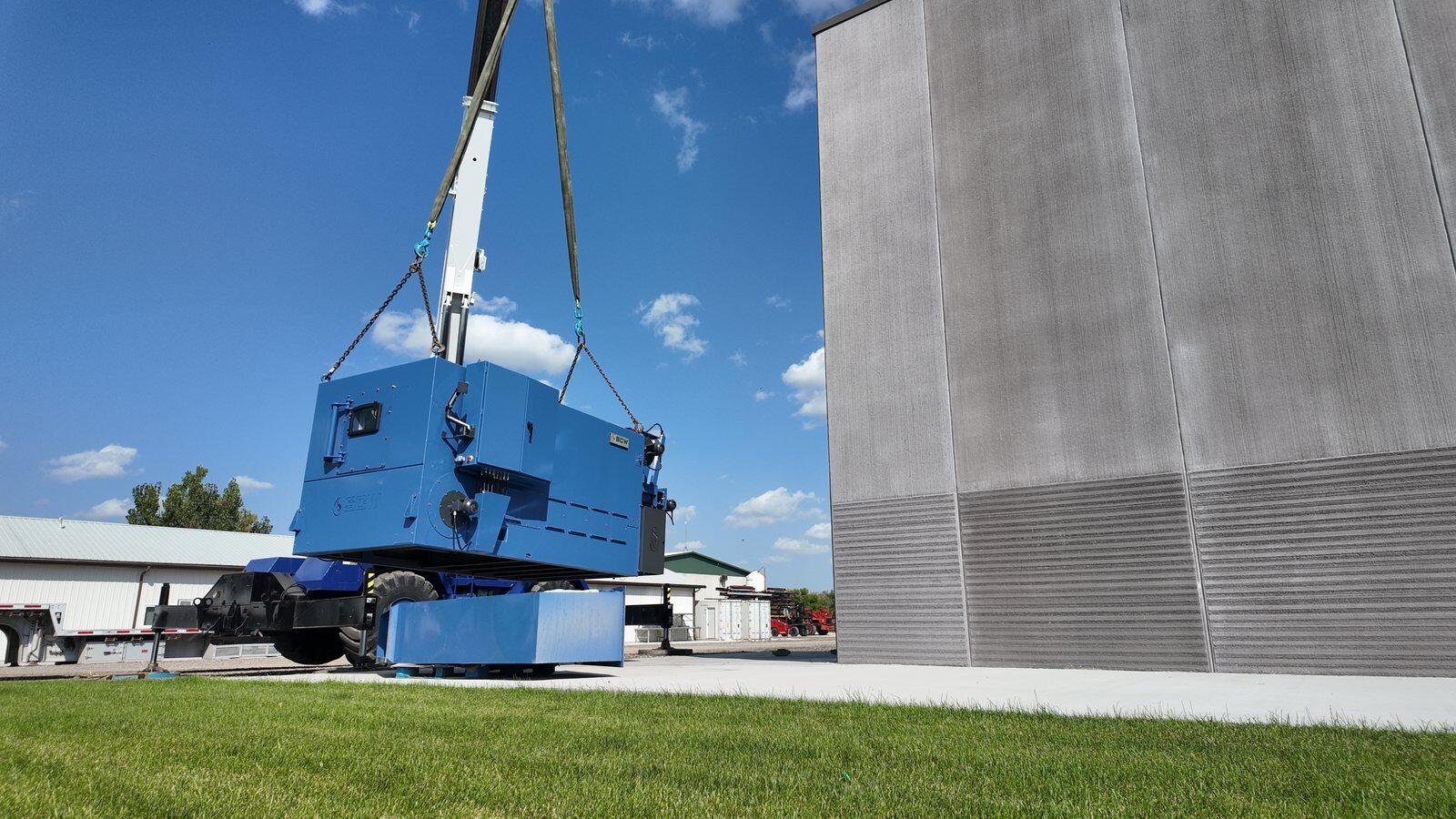
One plant heats barns, a greenhouse, shops and homes
Our heating bill is about half what we paid for gas.
Indoor fuel building with walking floor, laid out for a second boiler. 8" pre-insulated main to an underground vault, then lines to each building. Photo: the boiler going in by crane. SCC owns SCW. Read the story
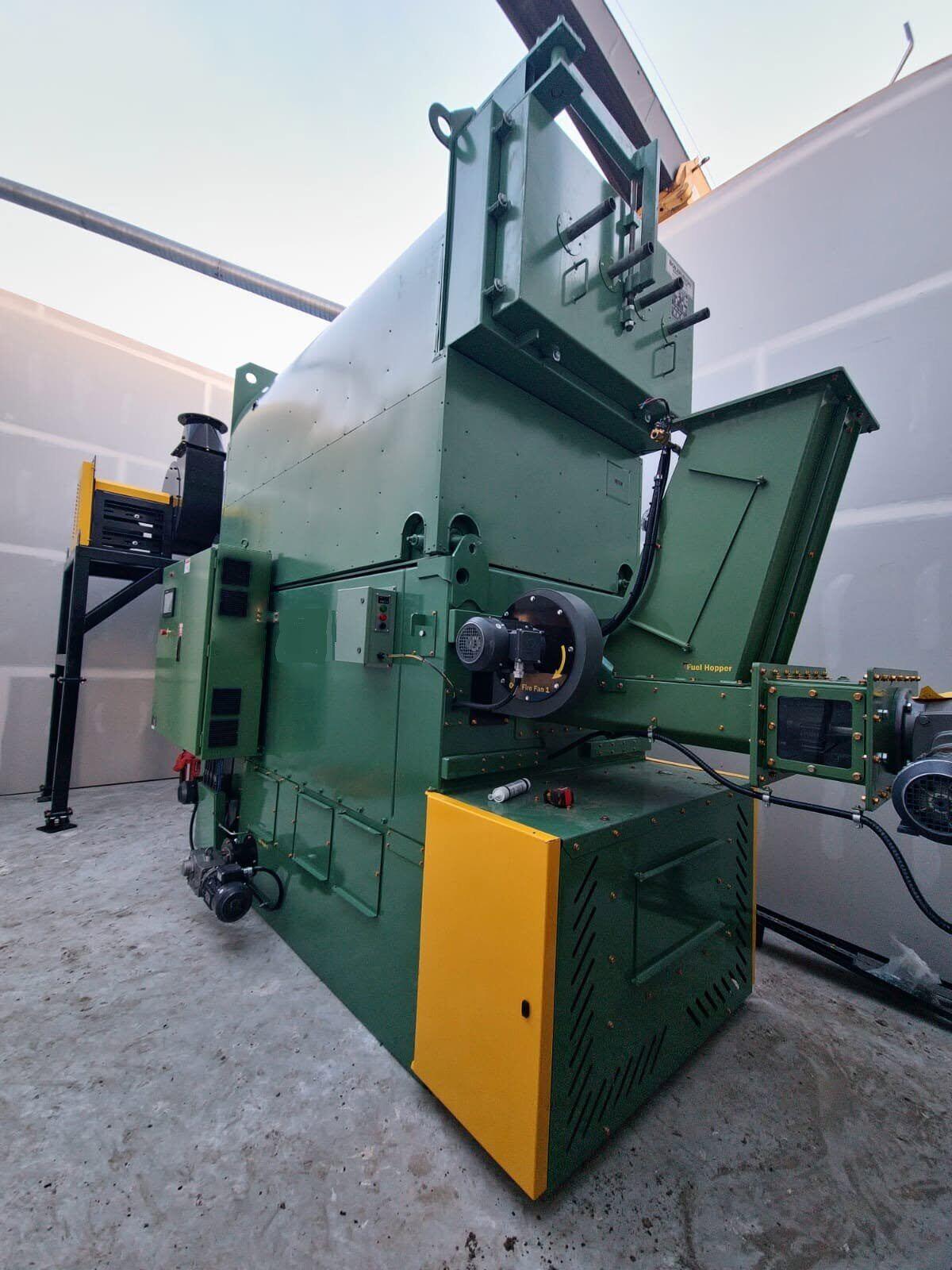
From coal to wood chips
We switched from coal to wood chips, and our heating cost is about half what it was. The walking floor keeps it fed.
Walking floor fuel handling and remote monitoring. Photo: the Willow Creek boiler with its fuel hopper, over-fire fan and controls. Read the story
About half of our systems are sold with a grant or tax credit
Programs change and public bodies often qualify for different ones than businesses. Check before you apply, and apply before you order. Most programs won't fund equipment already ordered.
What to send us
Tick them off as you gather them. The more we have, the faster we can size it.
Or call (204) 694-2398. Road 63 North, Headingley, MB.
Before you call
The marks your engineer will ask for.
Need another mark for your project? We build to it.
Talk to a person who knows the system.
Service, parts and remote monitoring come straight from the people who built it.